
Stories from England's Northern Edge - June, 2026 Submissions
Fifty-Nine
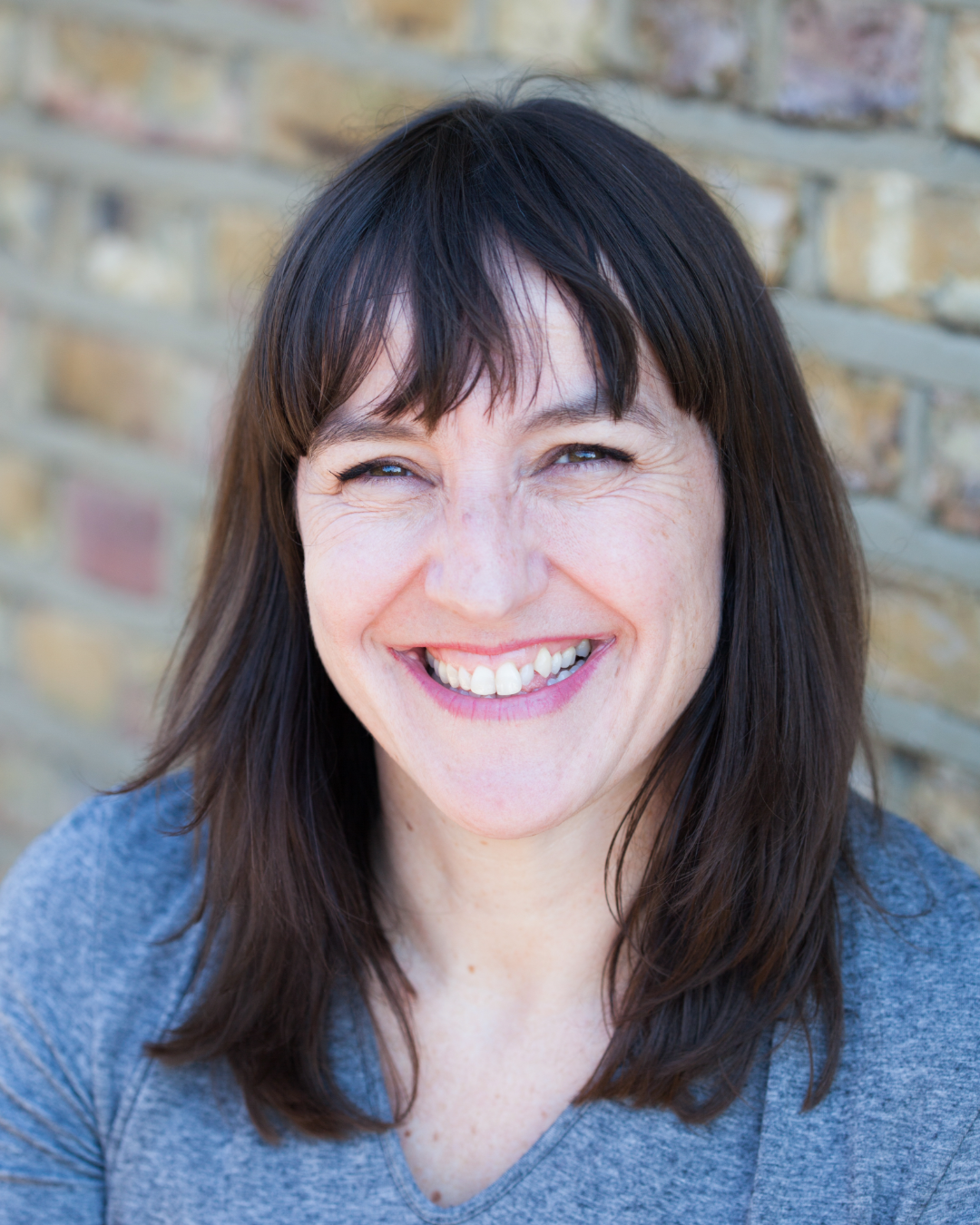
Louise Tucker
Louise Tucker is a writer, teacher and editor who lives in north Northumberland with her husband. She writes about grief, death and joy, and when not working, spends her time cooking, driving a 1973 convertible Beetle and swimming in the cold, cold sea.
Louise shares with us, 'My father killed himself when he was 59 and, as I approach the same age, I have been considering what it means to grow older. We are often encouraged to think of it as a negative but, for me, thanks in part to his death, living is a gift and, even when circumstances are difficult, remembering how lucky I am to be here helps me to relish every day.'
Fifty-Nine
It’s a frosty bright blue-sky day here, just like the day you died. I can still smell the leaves that November morning, crisp orange, smoky, not mushy yet. It’s not a month I love now, as I’m sure you can guess. Just as it wasn’t for you. I dread it creeping round every year, relentless like all forms of time, the days passing, the pages of the calendar tearing off, the unblinking movement forward whether you want to go ahead or not.
This year, of course, is a particularly notable one because now I am the age you were when you died. Fifty-nine. You always said you’d never make sixty, or more precisely, you didn’t want to make sixty. Who’d be old, you’d say? Old and alone. Except… you weren’t alone, not completely. You had us, three of us, the children you never wanted or planned, the children you mistreated when you were younger, the children who were accidents or burst contraceptives or, as we didn’t discover until twenty-five years after the event, someone else’s. The children who, once grown-up, you realised you loved spending time with. Who gave you six grandchildren you adored and drove hours to see, taking a day off work though you couldn’t really afford to, crossing the country to visit each one of them for their birthdays.
And you had friends, so many friends. More than eighty people attended your funeral. The celebrant said she’d never seen the crematorium so full. Myra Hindley’s cremation was in the same building the day before. It had been empty then.
Lots of things sent you there too early. Not just age. Money. Shame. Illness. I finger my anti-depressants knowingly this year of all years. I pay them more attention. You took some for a while, but then stopped abruptly – a dangerous error, your GP said when we went to see him afterwards, hoping for answers to our questions. The only person with answers, though, was dead. I have had my life, you wrote; I am at peace. But if that is really true, then you took that peace with you.
Now here I am, twenty-four years later, the same age you were, with the same disease, taking the tablets devotedly, watching myself for any hints that I am off-balance, that my own stasis is not threatened.
It is only February. As I write this, I have ten more months of fifty-nine, almost to the day. A friend asked me this weekend if I was planning a party. Those zero birthdays; they need celebrating, she said. For my fiftieth, by this time of year, I had already sent out the ‘save the date’ emails and started investigating how to rent a Routemaster to drive round the Christmas lights in London. A December birthday requires more planning than most, since no one has time for much more than the other bloke.
But I know I don’t want a party. This birthday makes me nervous. How can I be this old? How can I be this old when you never were. My brother and sister have crossed the line, with barely a glance in the rear-view mirror, glad as we all should be to make another birthday, in a world when so many don’t. I should feel the same gladness. Instead, I have started unpicking my life more than usual: have I wasted it; could I have done better? What is ‘better’? My therapist uses the word ‘striving’ – why are you striving, what are you striving for? – and more and more I wonder.
However, the thing you gave me by choosing to die so suddenly is the thing I want and try to remember, this year more than any other. You thought you had failed, on so many levels, but your death made me realise you were a success just because you were here.
Suicide defines people in a way that so many other endings don’t; think of Virginia Woolf, Sylvia Plath, Ernest Hemingway. We remember how wonderful people died, not how they lived. I have a photograph of you and Mum, probably from before we arrived. You’re facing the camera and your arm, a cigarette caught lightly between the end of your fingertips, hangs over her shoulder. She is sideways on, her face covered with dark hair but not so covered that you can’t see her smile. Her right arm wraps itself around you. You look as if you’ve just finished dancing. If I am right and this is the before, you are no more than 21 and she is no more than 20. She is already a mother, on her way to her first divorce. You are the stepfather of another man’s baby. Those responsibilities, at those ages, sound terrifying to me. And yet, here you are, filling the frame with delight. It’s a black and white photo, square with a thin white line around the picture. It astonishes me now to think how rare and expensive it was to take photos on film, 24 or 36 frames per cartridge, when a 20-year-old these days would have a thousand of them and struggle to decide which ones to put on their socials. How special it is to have this picture of you both, happy, young, to think this was taken, processed, and survived to reach me more than sixty years later. Like this photo, your decision, and our relationship to it, is just a snapshot, a moment in a life, not the life itself. That life was filled with other, better moments, so many that I don’t want to forget.
Despite the pain in your life and ours – your mother’s sectioning and early death; your wife leaving you; bankruptcy – you remained, are still to me, the funniest, sweetest, loveliest of humans. The man who always made me laugh. The man with the warmest of hands. The man who, the last time I saw him, danced me and everyone else off the floor at my cousin’s wedding. You thought you were a burden – broke, depressed, soon-to-be homeless – I wish you’d known you were a gift.
And your gift to me, the one neither you nor I could have imagined, was that I live my life, have lived my life, better because you died badly. The week between finding you and burying you I sat on the Tube, wedged amongst commuters moving back and forth between work and home as I would have been, if I hadn’t been planning your funeral. I watched people making notes in their diaries, texting on their pre-2008 dumbphones, scanning their watches, making plans. Just like me, they thought their life was ahead of them, in the future, in the things they were going to do later, the next week, the following year. What they couldn’t see, what I had always failed to see until you left, was that their life was here, in their breath, in their blood, in their body. It wasn’t plans and jobs and houses and bank accounts. Their life was in this minute, right now, in them.
And that simple fact, that life is to be relished, is where I come back to as my old age rattles towards me, the number embossed with significance like a cheap birthday card. I relish it even more because you didn’t plan me, or want me, or any of us. We were classic sixties babies, pregnancies that happened to people too young to know much about what they were doing. Sex was just something you wanted, after the dancing, the drinking, the cigarettes. It had no consequences, until it did. Which makes me, all three of us, miracles. We shouldn’t have been here. But we are. Here. The best place of all. Yes, I’m almost sixty. I’m also happy and alive. So, no, there won’t be a bus in December. However, all being well, there will be me.
To Somnambulate
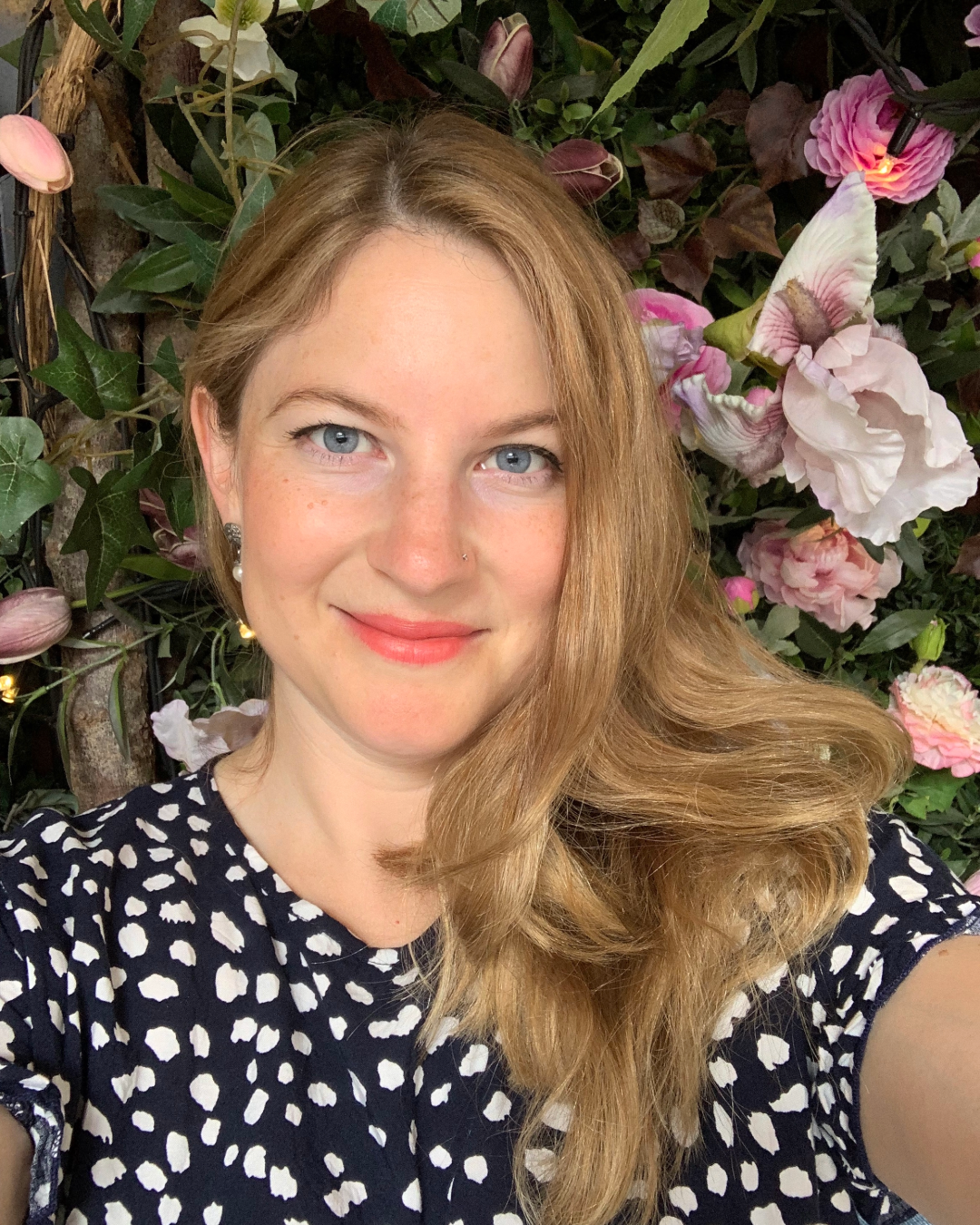
Helen Harradine
Helen Harradine graduated with a 1st class English Literature and Creative Writing BA degree with commendations for her writing back in 2010. She has since been working in and around publishing, writing in her spare time. Last year, Helen had a short story published in a beautiful folklore anthology called Whispers in the Earth. She writes flash and micro fictions, as well as longer form, and is currently seeking a publisher for her debut novel. Helen lives and writes in the beautiful Scottish Borders.
Of her inspiration for this piece, Helen writes, 'I walked the Pennine Way and encountered some truly transformative experiences out in nature —especially when getting further north and closer to the border. A friend of mine recently had the most shocking and devastating reality of neonatal death. This story imagines a woman after this life-changing event finding solace in the wild nature of a long distance hiking trail.'
To Somnambulate
What good is the warmth of summer when I am in the cold bottomless pit of grief? And yet I know this honeyed glare of a heatwave is better than being in the middle of winter. Summer makes people happy with its classic lawn smell, its levels of serotonin and melatonin, its glasses of sweetness. That’s some consolation, others said to me, reassuring themselves more than anything, before my trip. I’m glad to be cut off from those voices now, at least for a little while. They mean well but what do any of them really understand? It is remarkably difficult not to be bitter about something so utterly unfair and unjust. The deep dark sad nights don’t seem so bad when I’m not enclosed by four solid walls. I didn’t sleep much last night but the distant bleat of sheep pulls me out of the haze and into the present. The morning heat has already begun to penetrate my temporary home. I’ve never spent more than a couple of days in a tent but I’ve already grown quite enamoured with it. As I unzip the buttery scent of coconut from the yellow gorse flowers lingers in the air. All sense of time and urgency has gone and there’s only one goal: to get to the end of this trail, however long it takes.
Every morning begins in a similar fashion. I pack everything up and hoist it onto my back, leaving without a trace. A flattened patch of grass where my sack of a body lay. I am here now: moving from one day to the next. The cool morning air is deceptive; in just a few hours it will ramp up, as I know only too well from recent experience. The heat makes it a matter of urgency that I know where to fill up my water bottles. The old me would have been anxious but what is the worst that could happen now? I’m walking the conventional direction of south to north. There wasn’t an awful lot of planning involved as the signage is fantastic and there are places to pick up food along the way. I do know, however, that I will shortly be coming across a pub at just the right time for lunch. The thought of chips and a cool pint of cider keeps me going as sweat drips from various parts of my cushiony body. I march up to the entrance. A locked door bars my way. Closed. A wave of anger hits me. It is such a trivial thing to be mad about but I can’t stop the red impotent rage.
Despite this being a popular trail there are points that are utterly devoid of people. I find myself sobbing, talking to myself, or singing. I even catch myself giggling sometimes, which is surprising. My motivation is a strange one. I’m not sure my partner fully understands and I can’t really explain it properly to him either. Our baby daughter is my motivation, even though she doesn’t exist anymore. The river sings for her. The wildflowers bloom for her. It is they—the river, the flowers—that are keeping me alive, and all I have to do is keep putting one foot in front of the other. Today is an exciting day because I will meet three waterfalls. Each midge and blister that tries to dampen my spirits simply cannot, not today. I stuff jelly babies into my mouth; this steep walk up the valley is surely like climbing a munro. My body is getting stronger with each passing hour. I know when I next look in a mirror I will appear healthier than when I first set off. It was frightening day after day seeing pale, desolate, ruined eyes reflected back at me. I set off straight after my six-week sign-off by the doctor; I didn’t dare tell her what my plans were. She would think I was crazy with my vulnerable brain and malfunctioning body. Work were understanding of my situation. I am still entitled to take my maternity leave and I get the impression they’re quite fearful of me—the situation—the raging grief. I hear the rush of waterfalls before I see them. An ancient rocky gorge with its relentless river surging into its depths. I respect its strength, its power, its unceasing changeability and yet continuous cycle of sameness.
I scramble up. I am stronger but my muscles ache. The high daily mileage and heavy backpack is clearly taking its toll. For a moment the magnitude of what has happened vanishes into the timeless expanse. I breathe and listen to the wind whipping up a strange howling song. The highest point on this hike is like someone has scooped a gigantic hole out of the earth. Tumbled rocks and scree scatter down the slopes. It is nothing and even so it is something. A chasm. My route takes me down again into the valley. Distance changes and fluctuates when you are on foot. Walking by foot can make miles stretch and expand or fly by depending on the type of terrain you’re wading through. I’m beginning to dread getting to my destination as the beauty is here and now. My knees and thighs burn on the way down and I’m glad I have my hiking poles to help. I will need similar implements to help prop me up when I am finally home.
I don’t have too many goals on this trip but it’s nice to have specific points to aim for. As the light begins to fade and my feet and body and backpack get heavier I realise that I have been overly ambitious. I need to find a camping spot now, but this boulder field is not conducive to a good night’s sleep. When you are tired anything can look like a bed. I could adapt to this challenging environment like the plants and slot into a ledge or a crevice. I hear a desolate songbird claiming its territory. I see the blackbird of the mountains and know I am a disturbance to his peaceful family. It’s not ideal but I’m going to have to pitch up in the least rocky part. I know if I push a little further I will get to a clearing but I feel like I’m getting shin splints and I want to be safe in my temporary home before it is pitch black. My dreams cannot die but neither can my nightmares. I want to try and understand but I can’t. Pure despair. There’s nothing to understand. The foundations of my home tonight are flawed and fairly comical but I’m safe. My exhausted mind drifts into blankness.
This heat wave is making things preternatural. It is a known fact that usually the higher up you get the more boisterous the wind. This particular fell is famous for it, but it is eerily still. The balmy beauty of a bare fell in July. It has been a very slow incline to get to this cairn—a small manmade rock shelter—so I sit and escape from the bright elements and eat my sandwich. The views are astounding. If you sit still the wildlife comes to you, but I would not expect anything to find its way to me up here. And yet, like in a dream, an owl passes over me and back again—over and back—over and back. Three times! It’s like she is sussing me out, having a good look at this mess of a human. I can’t stop smiling. On my way down I see not one, not two, but five other fellow ramblers. We all nod and greet each other and it’s like I’m a new woman, falling in love again, ready to take on the world. A trail runner is about to overtake, but to my surprise she slows down and falls into step with me.
“That looks like a heavy pack. I’m impressed,” she says cheerfully.
“I’m impressed you’re out here with nothing looking like a mountain goat!” I say. She seems free, fit, without a care in the world.
She laughs and asks for my name.
“My grandmother was called Clara. She always said it meant bright and clear. I’m Nadine. It can mean hope. Pleasure to meet you, Clara.”
She pats me on the shoulder and then just like that she is gone. I see a luminous green dot bobbing away in the distance.
“Nadine.” I say aloud.
What a lovely baby name. Strangers will have no idea that I was a mother; that I am a mother. My brain is suddenly a tangle of emotions. I feel guilty because I haven’t really thought about her an awful lot today. She’s been there in the background but I haven’t really thought about her. I wonder about if things had been otherwise. What could I have done differently? Coping is truly traumatic. I find it really hard to believe what happened. That’s why being here helps. This is the real world out here in nature, however uncanny and unrelenting it may be. Freshness and beauty is infinitely healing, even when your feelings seem more than you can handle. Am I selfish for leaving my partner behind to deal with his grief on his own? He is back at work acting like nothing has happened. Perhaps this is a little unfair of me—everyone grieves in their own way—but I remain in a state of total limbo. This way, we both get the time and space we need to process, to recover, to heal. An ant lands on my arm, and then another, and then another. For some reason I find myself walking through a swarm of flying ants. I frantically wave my poles in the air and do a panicked dance. There’s no wind to shoo them away, so I drag my aching body down the hill and away from the buzz.
My final night is short and the tent is my grown-up version of a blanket den. I feel so safe, and regress back into a childlike state. Why do we all have to be such boring adults? I make a promise to her that I won’t; that I will make the most of my life and never lose the joy and glee of discovery. There are so many comforts at home that had become stale after what happened. After being at the mercy of the elements I am thankful for those small comforts. I miss my partner. I can see things afresh, aglow with life. There is beauty in the everyday too. I have gained so much joy from the primal things that I will never forget. I shuffle up to the doorway of my tent and look out. The night sky is clear with thousands of bright winking-twinkling little stars.
The map tells me I cross into Scotland soon. A reminder that this walk is almost at its crescendo. A bittersweetness. The rain is so heavy I don’t want to stop to eat my sandwiches. Water has seeped through into my base layers. It soaks and drips through to my core washing away everything. Nourishing summer rain: the wind makes it chilling and I feel both frightened and elated. I’m not angry. This is the best day for it to rain like this. Blue skies gone grey. Puddles. Slosh. Mud. Outside the stone hotel are discarded walking boots from previous pilgrims at their journey’s end. I intend to keep on going—not further into Scotland, but I intend to keep on walking for a big part of my life. The rain stops for a brief moment enabling me to take a photo to prove I made it to the end. This walk is a connection to life, to the present, to the fleeting now. A double rainbow emerges, revelling in its unlikely duplicity, and a slight drizzle starts up again.
Magdalene Fields
Anonymous
This poem was submitted anonymously. It's creator cited its inspiration simply as, 'Grattitude for Berwick.'
Magdalene Fields
I am immune to single magpies now.
No need to mumble “oystercatcher”, look the other way
Or add one seen before to make a manufactured pair.
Good morning, Captain, good to see you
Send your worst, the wind will set it free.
The seals are keening out there on the seaward side,
It pierces to the marrow.
By Paxton House
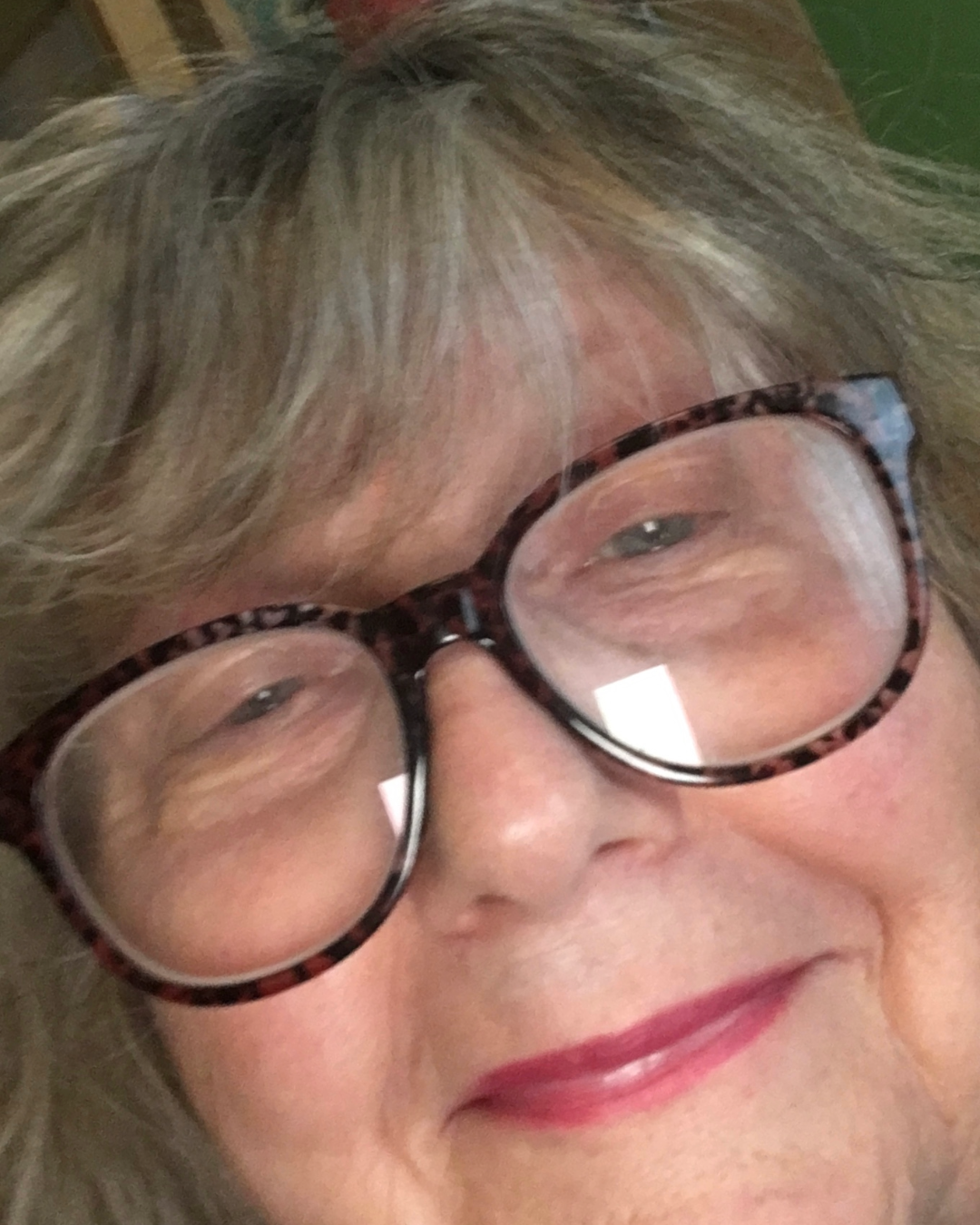
Linda S Gray
Linda Gray writes poems, stories and plays. Her plays and poems have been performed as a member of the Duns Players theatre group. She is founder member of Word Weavers creative writing group who perform their work locally. She is also part of Berwick Writers' Forum performing at the Berwick Literary Festival and other venues. Her work has been included in several anthologies.
Linda writes, 'This poem is part of a series of poems inspired by my wonder and love of the Tweed River catchment area, its tributaries and waters, and particularly Spittal Beach and Berwick Harbour. I have walked these places many times over the last 20 years and feel so connected to the landscape in all its moods and incarnations.'
By Paxton House
Standing by the riverbank,
a month past Storm Arwen.
The river still high and fast with
broken branches bumping past.
Close to the river’s edge
the small sleek head of an infant seal
with black eyes, bright with wonder.
An adult follows mid-river.
Mother, I thought, as our eyes met
in a moment of breathless anxiety.
We shared a maternal gasp
as the pup cleared the ancient walls
jutting from the riverbed,
just above the simmering surface.
And as I turned,
both glided downriver
towards Tweed mouth
bobbing heads amidst the debris.