Stories from England's Northern Edge - September, 2026 Submissions
The Rise of Arthwys
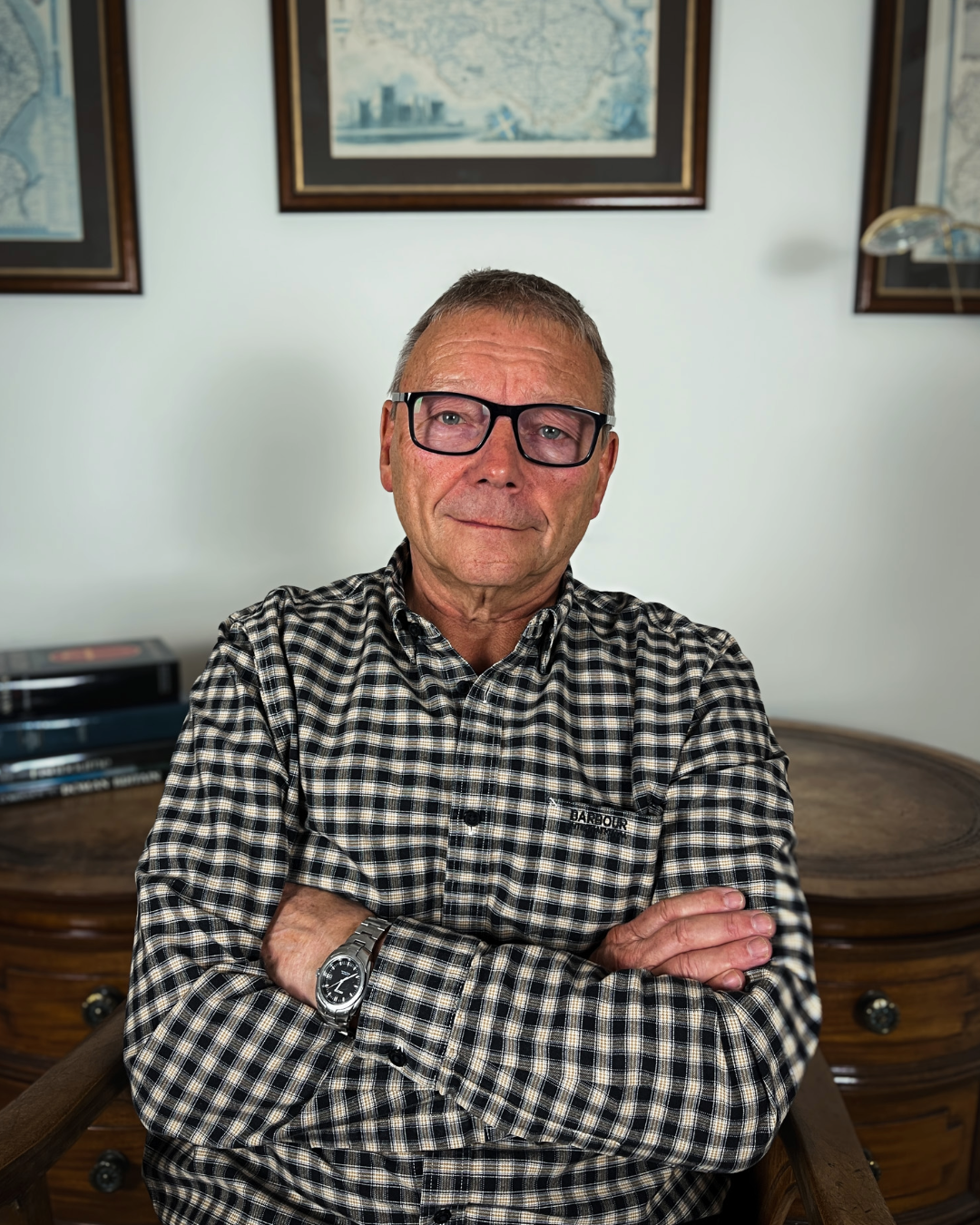
Alistair Hall
Alistair Hall is a writer, historian and hill-walker living in the Scottish borders. His lifelong fascination with history, archaeology and the landscapes of Britain has shaped both his nonfiction and historical fiction, which is set in the centuries following the end of Roman rule in Britain. When not researching the history and landscapes of Roman Britain, Alistair can often be found exploring the hills and valleys of northern England, visiting historic sites, and searching for new clues to Britain's post-Roman past. More information about his work can be found at www.alistairhallbooks.co.uk.
Of this extract from his novel, Alistair says, “I have been fascinated with the history of the first millennium since I was eleven and my father bought me a copy of Le Morte D’Arthur which I treasured. Since then, I have spent decades visiting historical sites and researching the historicity of King Arthur. The eponymous Arthwys from my fiction series is based on a person I believe is a potential historical candidate for the legendary Arthur.”
The Rise of Arthwys (Chapter One: Myrddin Returns)
Elfed, November 446
There was little light left to the day, but it was yet too early to sleep. Wind and rain lashed Martin’s small wooden chapel, and outside, leaves rustled and swirled, looking to find their resting place before winter.
‘A good Christian should pray at this time,’ he spoke aloud to himself in an attempt to change the pattern of his thoughts, although by experience, he knew he would not heed his own good advice. He could not and would not forget his brother’s murder or his family’s betrayal. Of all the human weaknesses, betrayal was the most pernicious and unforgivable. ‘Not very Christian,’ he said, speaking to himself again as he rested his back against the timbers of his tiny chapel.
This struggle with his faith was no longer a daily occurrence. He might go about his duties for weeks without dwelling on the past, but then something would unexpectedly remind him of the regicide that so changed the course of his life. As the buffeting wind shook the chapel, he remembered. It was on just such a night the betrayal occurred, whilst my brother and I were at prayer… Murderers! The bitterness would always be there, even though his faith demanded he forgive his attackers. The sound of footfall outside ended his reflections abruptly. He stood, reaching for his sword. The latch lifted but he had barred the door for the night, and it would not open.
‘Is anyone within?’ An old man’s croaking voice was followed by something striking the timbers. ‘Martin, it is Myrddin.’
Surprised and immediately apprehensive, Martin lifted the bar.
‘My friend! Come in and shelter from this storm.’
The old man in Martin’s doorway was soaked and swaying on his feet.
‘What brings you to my place of solitude at this late hour?’
Myrddin did not answer. Five winters had passed since the seer had departed Elfed, and Martin had often wondered if Myrddin had somewhere met his end.
‘I am pleased to see you still alive! Come sit with me here.’ He guided Myrddin to a stool where the old man sat down carefully, using his stave for support.
The old seer caught his breath. ‘All I have foreseen is about to come to pass, my dreams are full of warnings, terrible events will soon occur, and the gods of war are sharpening their weapons. I have seen both defeat and the death of kings.’
Martin’s heart beat faster. Did Myrddin ever bring glad tidings?
‘Is this why you have returned to Elfed?’‘Yes, but I have also dreamt Artio is searching for me. If the bear goddess has me in her sights, my time in this life will shortly end. I need your help, Martin.’ The seer lifted his head and looked straight into the priest’s eyes. ‘Fate chooses you as my successor, Martin. You must take my place. You are the next Myrddin.’
Martin laughed, shrugging off the weight of the seer’s words ‘That cannot be. I have no powers, no magic, no training.’
‘You have the sight, and you are yet unaware of the extent of your powers.’
‘I have some confused dreams, and I am Christian.’
It was Myrddin’s turn to chuckle. ‘Our faiths are not so different. Your solitary God concerns himself with the soul’s assent to Heaven, whereas mine are more concerned with earthly matters. You believe in an afterlife, whereas I believe in reincarnation. Neither of us fear death, and in life, we both strive to help the living. What I can teach you will not affect your faith; it will only expand your boundaries and enhance your understanding of the World.’
‘I cannot follow a path that corrupts my faith. The good Lord chose to save me. Since then, I have been His to direct. I am only here through His will.’
Myrddin nodded knowingly. ‘Yes, of course you are, but a Druid’s duties extend beyond the bounds of faith; we are the custodians of sacred knowledge.’
‘I am not from your tribes, so your people will never accept me.’
‘That is not so,’ Myrddin said firmly, watching the priest intently. ‘You assume I do not know who you are Cynwyb.’
Martin’s heart stopped for a beat, startled to hear his true name spoken for the first time in twenty years.
Myrddin continued. ‘Cynwyb, brother of Cynloyp, both sons of Cinhill, son of Cluim – did you think I wouldn’t know you are from royal blood, a claimant to the throne of Alt Clut? I knew your father and your grandfather – great warriors both.’
‘Cynwyb was murdered, betrayed by his half-brother. I am not the same person.’
Myrddin shook his head. ‘I know their betrayal continues to haunt you, but you must not let it stand in your way. Your visit to the Otherworld has given you a gift you refuse to use.’
‘It was God who brought me back, so I am His to direct.’ Martin paused. ‘Besides, my dreams are frightening, impossible to interpret.’
‘I can show you how, but you must open your mind and be unafraid.’
‘Have you told King Mor of my deception?’ What would become of him if the king knew?
‘There has been no need. Mor appreciates how well you have tutored Prince Arthwys, and he knows I hold you in high regard.’
Martin felt compromised but dipped his head, grateful for Myrddin’s discretion. ‘What is it you wish of me?’
‘You must watch over the Bear and advise him. Now is his time. The Saxon serpent has broken its shackles and ravages south of the Humber. King Mor watches nervously but does not commit.’
‘King Mor is a renowned warrior, but his militia no longer has sufficient numbers to hold off the Saxon horde – surely, the other kings will see sense and join him?’
‘They will never agree precedence and, like children, are jealous of each other. Ancient tradition dictates it is the Bear who should raise the standard of the northern Britons. The tribal kings give their oath to this allegiance.’
‘Arthwys is not ready,’ Martin interrupted, anticipating where the seer’s thoughts were leading.
‘He has to be,’ replied Myrddin; ‘just as you must be ready to embrace your powers and prove yourself equal to your destiny.’
Martin sensed he was included in the seer’s plans, regardless. But what were these plans? And what had brought him to the chapel door so unexpectedly?
‘Is the danger imminent?’ Martin asked pointedly.
‘We must hasten to Cambodunum tomorrow. King Mor has informed me Gorwst has sent to him for help in facing a threat to his western shore. Arthwys must accompany his father, as must we both. The gods summon us all to Reged.’
‘What is this threat?’
‘An army of Gaels Gorwst has been unable to dislodge. For several months they have been using Insula Manavia as a harbour from which to raid, but now they have grown bold enough to land on Reged’s shores.’
‘King Gorwst has two sons and many allies, surely it is folly for Mor to allow this to distract him from the Saxon threat?’
‘Mor must be persuaded to support his brother so that Arthwys can prove himself to the gods.’
‘And which gods might they be? As persuasive as that sounds, surely there is some other purpose?’
‘There is treachery within the kingdom of Reged.’
First betrayal, now treachery?
‘How do you know this?’
‘Marchell is showing more loyalty to her brother than her husband. She has moved her court north to be closer to your brother’s murderer, deserting Gorwst and taking Mordred with her for protection. Gorwst suspects the King of Alt Clut assists the Gaels in raiding Reged, jointly selling their captured slaves north to the Picts. The King of Reged has made no secret of how much he abhors this constant raiding for slaves, resulting in enmity between the two kingdoms.’ The old seer paused. ‘Look into the future, Martin. Mor distracted by Saxons,
Gorwst weakened, Gaels invading from the west – Coroticus may intend to annex Reged.’
Years of suppressed anger swelled in Martin’s chest. ‘I see it, and I am appalled that my late brother’s kingdom is being used as a marketplace to sell Christian slaves to heathen Picts. My brother and father must be restless in their graves.’
‘They are, Cynwyb, and will not rest easy until Coroticus is in the earth with them.’
Myrddin’s insistence on Martin joining the expedition was still puzzling, though he could not deny his strong familial ties to the situation. ‘You speak of your gods, but how can they have any impact on our fate?’
‘You should know our people are blessed to have two gods of war watching over them, but these two gods are rivals.’
‘Rivals for what purpose?’
‘Influence. To gain it, they vie to direct our actions.’‘As if we are their gaming pieces? Do these interfering gods have names?’
‘Cocidius and Belatucadrus.’
‘And do you fear your gods of war, Myrddin?’
‘I am wary of their purpose.’
‘Why so?’
‘Their rivalry stems from their desire to win the favour of Coventina, and we all know how love and desire warp sense and purpose.’
‘I’ve heard of Coventina… Isn’t she a water spirit? But regardless – surely, these gods are so ancient they no longer have any potency in the realm of man?’
‘Ah, but they have, Martin, for it was Belatucadrus who influenced Coroticus all those years ago.’
‘Why should he do such a thing?’
‘To deal a blow to his rival. Cocidius lends favour and protection to the Coelings, and your father was a staunch ally of Coel Hen.’
‘Are you saying that this god assured the murder of my brother out of spite?’
‘Belatucadrus is determined, passionate and violent, whereas Cocidius is measured and tactical. But Cocidius holds an advantage when it comes to influencing the outcome of the battles of men, for Caledfwich is within his gift.’
‘Caledfwich? The legendary sword?’
‘Yes, and I know where it is.’
Martin was not sure if he believed any of this fabulous tale, but his mind was made up.
‘I will accompany you. Arthwys is brave but headstrong – he will need wise counsel.
But I still doubt I have the aptitude to be your successor. For now, I have bread and cow’s milk I can share with you, then I must pray for guidance before we set out for Cambodunum in the morning.’
Martin looked around his tiny chapel. The light had gone and so had the tranquillity, for now his mind was racing. Was this God’s will? Perhaps He had decided it was time for the influence of the Druids to pass and had thus sent Myrddin to him with a message from his dead brother and father. He found this thought comforting, for it allowed him to see the coming mission as a Christian calling rather than the directions of a heathen wizard influenced by ancient spirits. But then, it did not take much wisdom to see the fundamental motivation for Myrddin’s machinations was more statecraft than witchcraft.
A snore emanated from under the seer’s cowl, ending any prospect of further discussion. No matter, Martin was already resolved to join the expedition to Reged. He had sensed for some time a change was coming – his own dreams had indicated such and were just as terrifying as those described by Myrddin.
Ghost Hulks
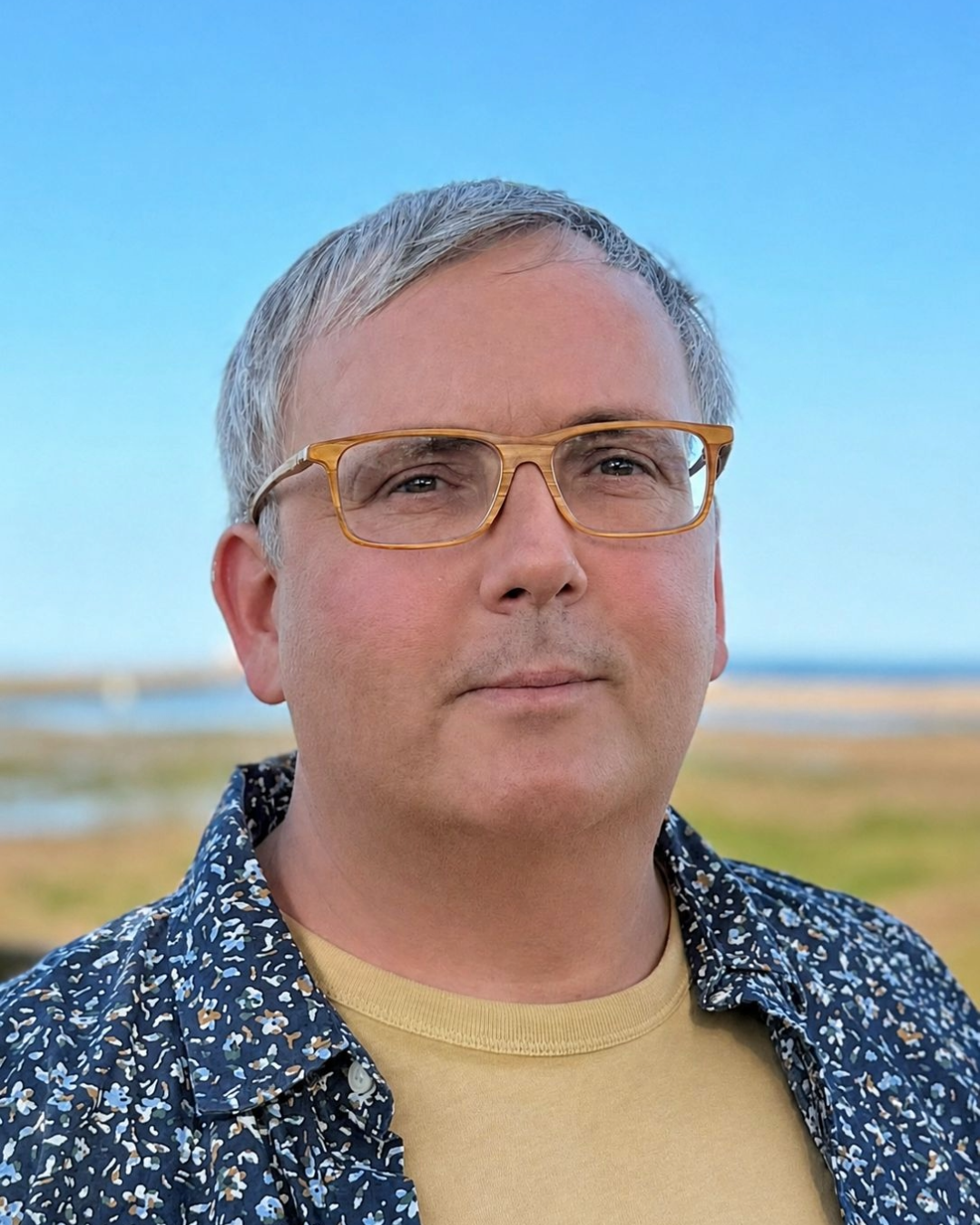
Davey Payne
Davey Payne is from Dumfries, Scotland and based in Spittal, Berwick-upon-Tweed. His poetry and prose conveys the psychogeography of urban and rural spaces. By exploring the relationship between past and present places he challenges contemporary and historical issues. Follow him on Instagram at @_davey_payne
Of the submission, Davey says, “This piece is, specifically, influenced by sound. Kate Liston played hydrophonic recordings to participants of her Writing The Tweed workshop in July which directly inspired the images he conjures here.”
Ghost Hulks
The air grates with the creak of
ghost hulks filleting the Tweed’s silver gush.
Sloughy wounds soothed, groaning oak
hushed by the tides' cold-boil thrust.
Age-old silt percolating in dank torment;
wrung-out by the estuary’s twist & squelch.
My mind's eye smarts, teary & salt-stung:
snapping, like sails snatched by squall.
Wild Geese
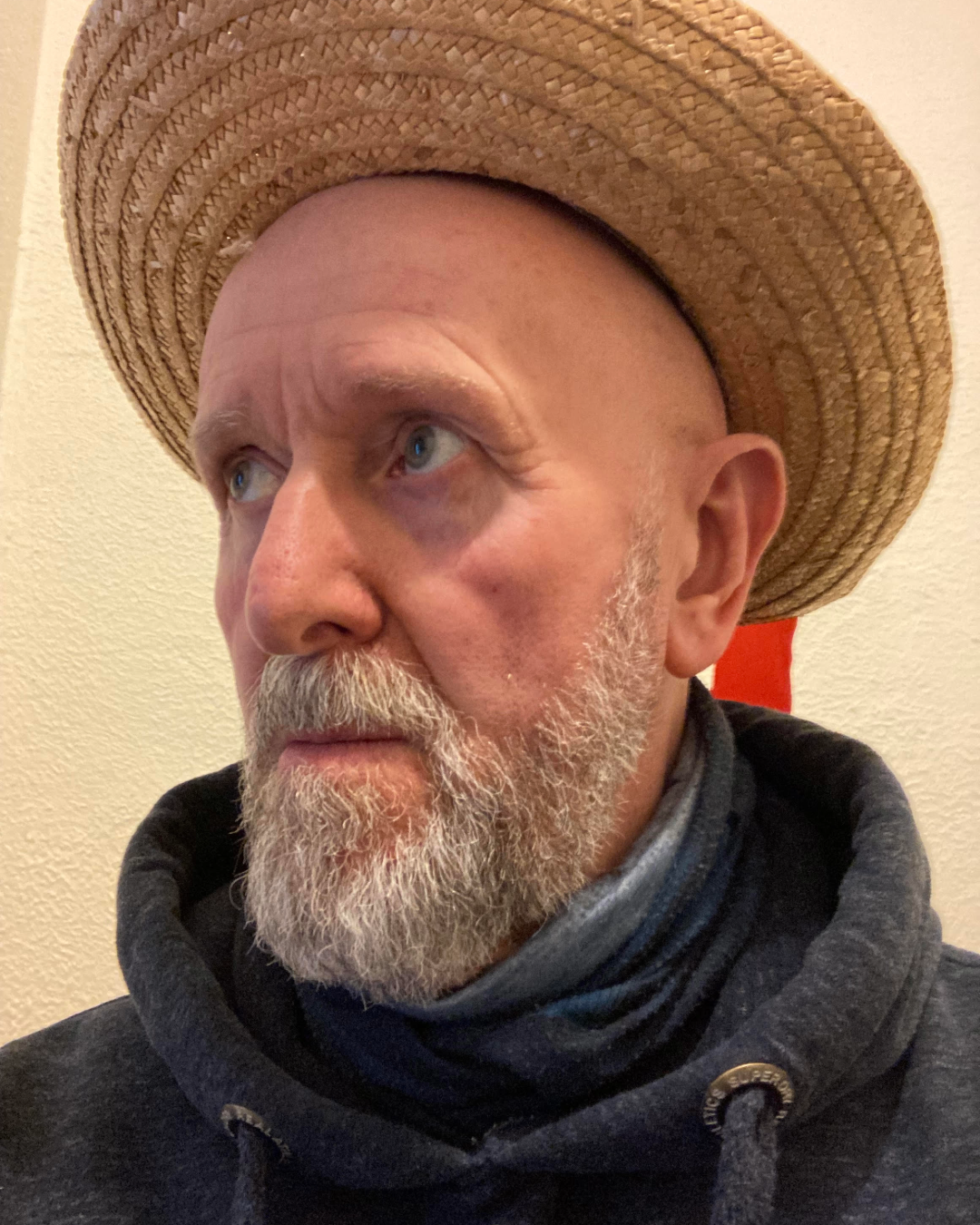
J.D Sparks
At about nine or ten years old, J.D Sparkes started bashing away on his mother’s old Bluebird typewriter, churning out “clumsy laments about cowboys dying tragically after some shootout or other.” In the intervening years, he says, his style has altered somewhat and he continues to write, mainly for the sheer pleasure and challenge of trying to make simple words work well. He endeavours to write about the commonplace with tenderness and truth and always feels blessed when someone else is touched by his efforts to achieve this.
Of this piece, J.D says, “I’ve always noticed how the sight of geese migrating has a wondrous effect on those who witness it. On a journey back to Crail on the Nook of Fife I witnessed this spectacle as the geese flew over a golden field of ripe corn; this became the starting point of a poem that took far too long to write.”
Wild Geese
Communal urgency lifts them away from lake and land,
pale feet trailing, waving goodbye like small cold hands.
Rising with unmistakable voice; exhortations to gather,
appealing and answering; the call and response of kind.
Low; observed over field and farm, loose chevrons form,
magnetically drawn together, compassing continental air.
Below we bare brief witness, their departure resonating,
echoes perhaps of an ancestral urge to explore horizons;
bestowing poignancy on the moment, brief significance,
a chance re-framing of constrained, over obligated lives.
And as they fade away some part of us leaves with them;
idealising freedom, still dreaming of metamorphic flight.
Alone once more we pause awhile to grieve a vacant sky,
our thoughts ephemeral clouds, intuiting higher wisdom;
suggesting all loss is temporary, the surrendering of time;
and that whatever leaves us, in some sense, returns home.
Old Alexander Burgon
Jamie Miller
Jamie is a novice writer who moved to Burnmouth a couple of years ago and has made it his home.
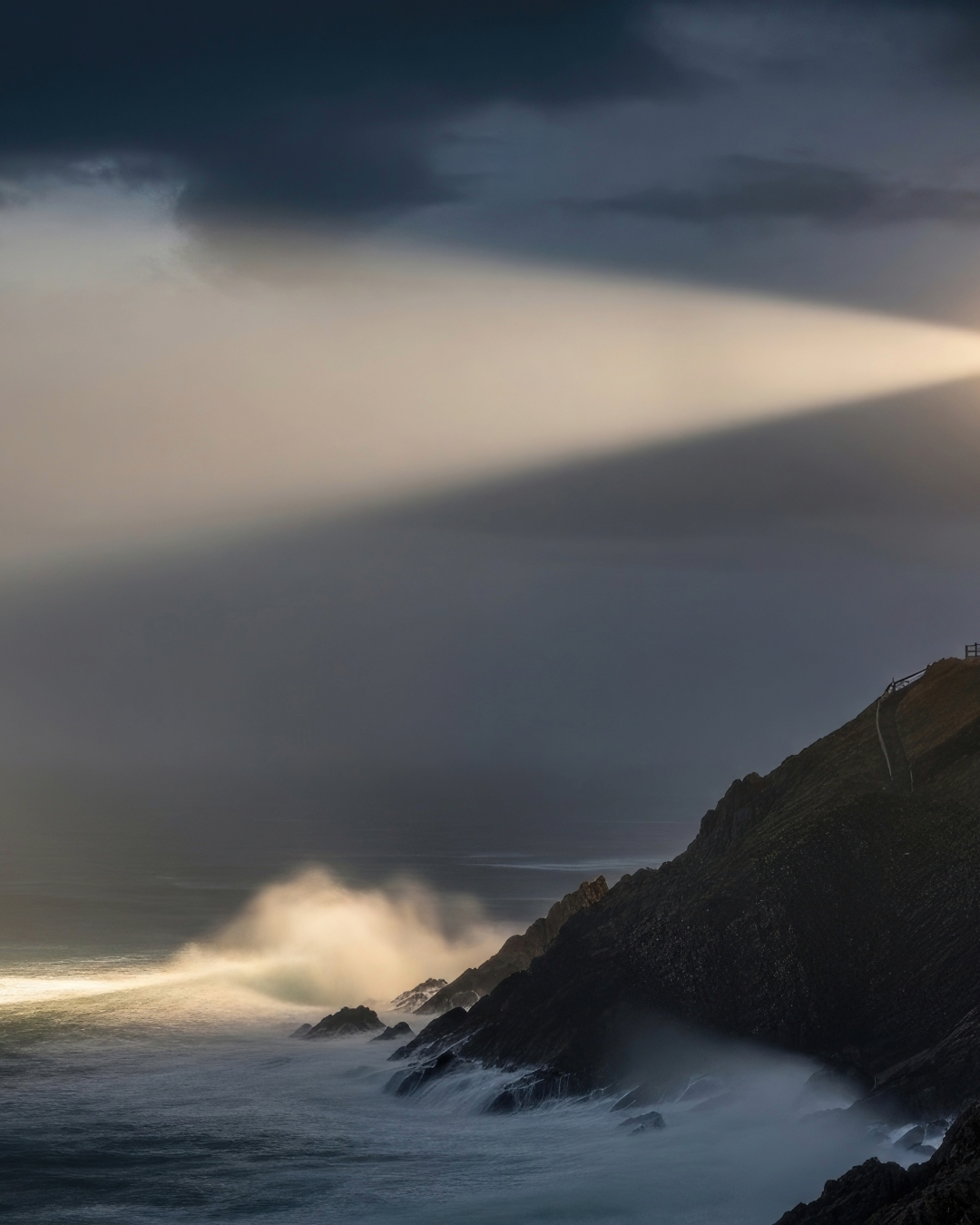
Jamie tells us that this poem is a retelling of the Eyemouth fishing disaster of 1881 focusing on one fisherman, Alexander Burgon. Several incidents made his story especially tragic: The fishermen worked that day despite a possible storm due to hard times. A postman arrived after the boats left the harbour with news of the approaching storm from further down coast. Alexander wisely decided to sail further out to see instead of rushing into harbour, saving the lives of his crew after 40 hours at see. When Alexander returned, he found out about the son he had lost in the storm and that his pregnant daughter had been widowed by the same storm that he had survived.
The poem is in the form of a ballad, a traditional method of recording the history of the Scottish Borders.
Old Alexander Burgon
Old Alexander Burgon is
a fisher Eyemouth way.
Old Alexander is to face
a cruel and twisted fate.
A son and daughter look to him
the last of his fam'ly -
Young Liz was married and with child
and John took to the sea.
The weather has been bad for weeks
but now the sky is blue,
so Alex readies the Gazelle,
assembles seven crew.
The harbour master warns the men
the forecast is unclear.
But Alexander's at the helm
no better man to steer.
The Boats set out to fish the grounds
we watch them from the beach,
The postie now arrives too late
with news of stormy seas.
They see the darkness come for them
it's like the clap of hands,
but Alexander knows the sea
he does not sail for land.
The Eyemouth harbour sees her ships
get splintered at her gates,
but the Gazelle it heads more east
to save them from their fates.
For forty hours the crew is lost
and Eyemouth mourns the dead,
but then the boat returns to shore
all seven crew were spared.
Old Alexander's wits would save
his body from the depths.
but Liz was widowed by the storm
and John sank to his death.
After Life
Sharon McKnight
Sharon came to creative writing later in life, beginning with memoir writing and developing her work through creative writing classes. She is particularly interested in using sensory detail in her writing, including what she describes as the often-neglected ‘sixth sense’.
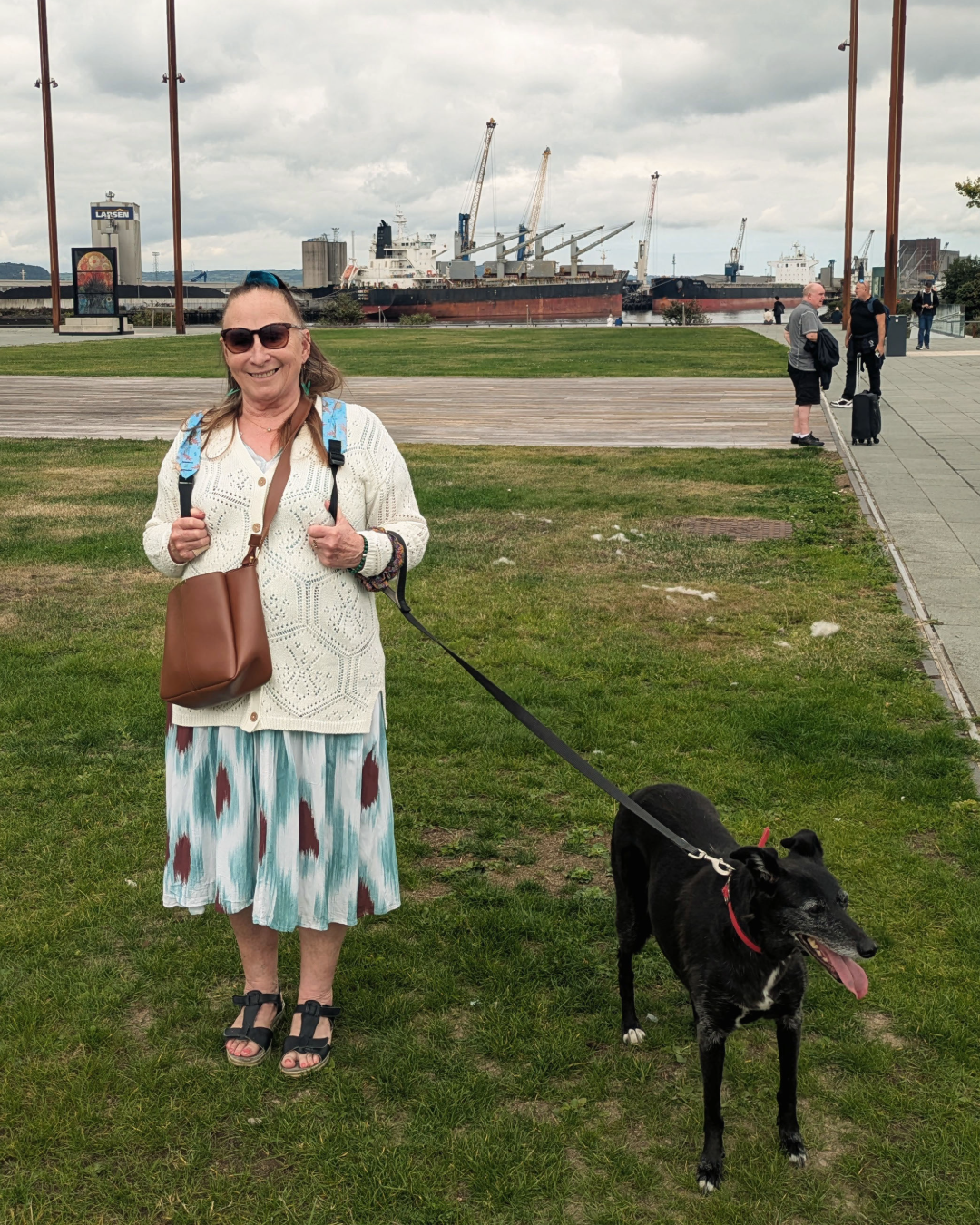
Sharon tells us that After Life was inspired by the bond she shared with her dog Kes, whom she describes as the most sensitive and intuitive animal she has ever known. Sharon believes that she and Kes shared an almost telepathic connection, and is delighted that he has found his way into the anthology. Kes was a distinctive crossbreed: his mother, Pippy, was a feisty Border Collie, while his father was a Maltese Rabbit Dog.
After Life
I liked his eyes.
I fell in love with Baltic amber when I was 6. I saw it in a book my late mother bought for me. I collected amber and stones that looked like it.
It was a very deep interest which lasted . My dog had eyes like a pharaoh. They were long and slanted and deep amber.
I carried him outside in the sunshine to sit by the hebe to make him feel better. There were some bees. He slept there for a while. I let him smell the flowers.
My father planted hebes long ago. We had hundreds of honey bees then. After he died, feverfew sprang up all over the patio where he spent his last days sitting. That last summer.
Today, I noticed a patch of white in the grass where kes lay by the hebe. I went to look. It was a clump of feverfew. Nature left me a present of his presence .
The Becoming
Colly Kaines Lang
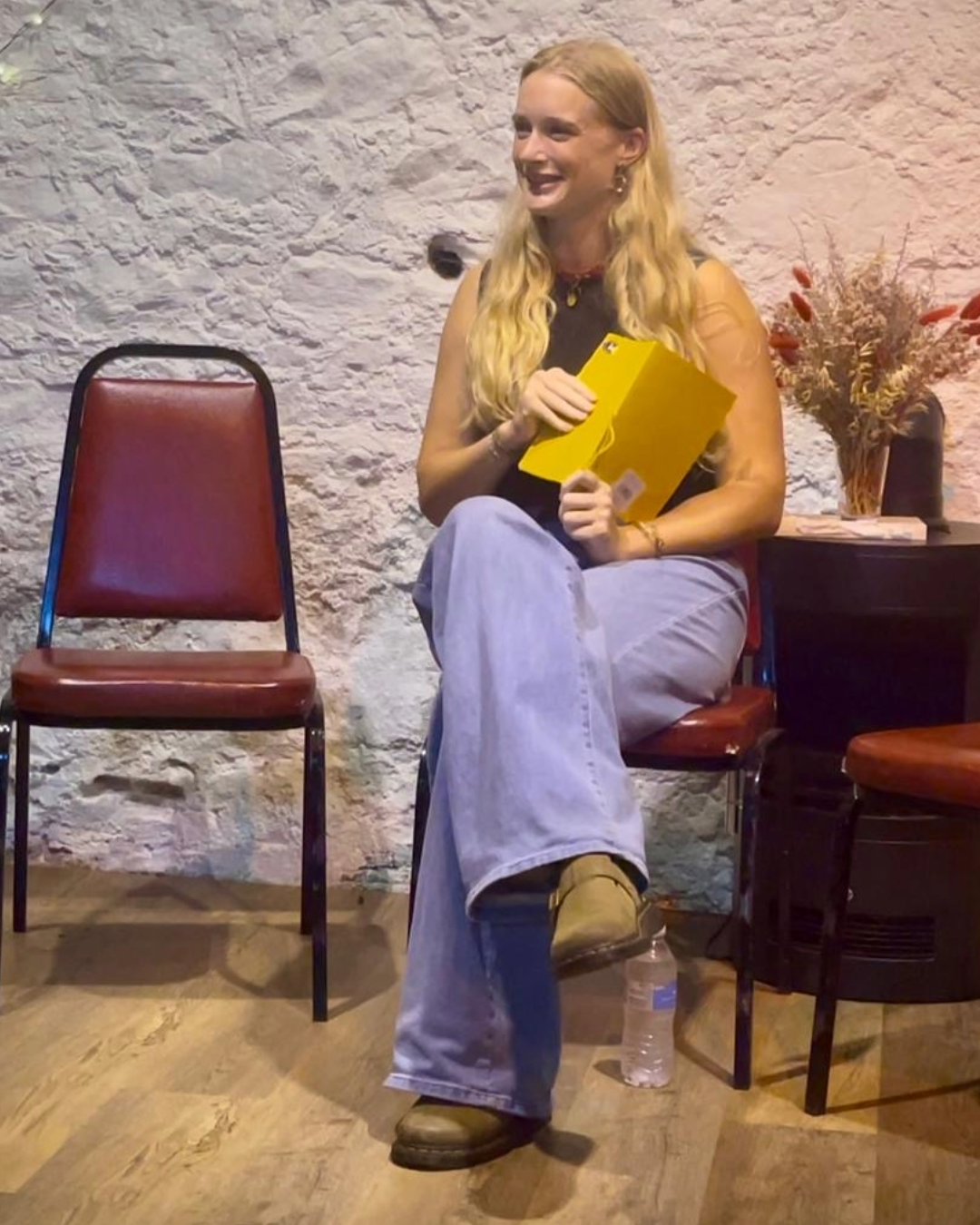
Colly is a Berwick-based writer who has recently completed a Master’s degree. She began writing at university and continued while working in Kenya. She is now a regular contributor to the Berwick Writers’ Forum’s Cabaret of Words.
Little introduction is needed for this striking coming-of-age piece, told from the perspective of a young woman who has negotiated that complicated territory between adolescence and adulthood.
The Becoming
I have always been told, perhaps not so much in words, that one day I’d become a woman.
I always felt girlhood was never a place to stand still. It was a stepping stone. To the becoming. I felt restless as a girl. Uneasy in what I was meant to be.
When I was six years old, I asked my mum to take me to the hairdressers. I had a plan to become a boy and the haircut was the most important step. I needed my hair to stop right above my ears. The next day I went to school and announced my name was Colin.
I still remember wearing a camouflage jacket, waiting at a grotto to see Father Christmas.
‘Is he in the line with you?’ a woman said, pointing at me.
I was so happy! I finally passed as a boy.
A few years ago, I found a lock of my hair from that big cut. A long chunk of white hair, held together by a pink ribbon.
I don’t think I’ll ever know exactly why I wanted to be a boy at six. But I think it was so I could play football. The school’s tarmac pitch had a fence all the way around it, with a gate that locked from the inside. I’d stand on the outside, shaking the locked gate.
‘Can I play?’ I’d ask.
‘No girls allowed!’ the guard of the lock would respond.
I was an angry and rude child at times.
Bossy too. A know-it-all.
Perhaps I thought I wouldn’t be these things as a boy. Maybe, as a boy, I’d be funny and cheeky.
Maybe I’d still be a little shit. But no one would care.
I never did cut my hair short again. I was sick of always being the dad in pretend family games. I wished for long hair again.
When I was seven, I got cornered by some boys outside the girls’ toilet. They asked me what a fanny looked like. They pressured me into pulling down my trousers and it was caught on CCTV.
I remember being told off by a teacher in the offices. I felt so much shame. I still do. I can’t remember anyone asking me if I was okay.
It has always felt like it was my fault.
My first taste of asking for it, I guess.
There is no doubt in my mind that I had a childhood. A fantastic childhood. I know not everyone can say that. I was always playing imaginary games, including leading my own pack of wolves, forcing my parents to wait as they all crossed the road. I dressed up as Angelina Ballerina, Sportacus, Minnie Mouse, a chimney sweeper and a Power Ranger.
I was carefree.
I was adventurous.
I was silly and extremely weird.
Because, let’s be honest, all kids are weird. Like, so very odd. Then one day, most kids just stop. Or at least their weirdness stays within. I guess, boy or girl, some things we all lose in the becoming.
Unlike childhood, girlhood only ever felt like a conditioning for womanhood. A relentless series of events that seemed to make me question what I was meant to tolerate and what I was expected to be.
But when did my womanhood start?
I know it didn’t start at 12, when I was nicknamed “whiteboard” for having no boobs. I remember thinking, why has God given me armpit hair and nothing else?
I definitely didn’t feel like a woman when I got my first period. In all honesty, I thought I’d shat myself. No one told me it could be brown when you start!
But I must have been a woman by 15, when I argued with a teacher about bras.
I asked, ‘Why are you telling us to wear white bras because otherwise we will distract teachers and boys, instead of just saying white bras look smarter?’
I proudly stated, “My boobs are not inherently sexual.”
She responded, “If a boy touched your boob, you’d be turned on. They are sexual.”
I still didn’t actually have any boobs or have a boy to touch them, so I wouldn’t have known.
But she clearly thought I should.
The same teacher later that year sat us girls down and said—I’ll paraphrase for you—“Don’t have sex. You’ll become pregnant.” She also made sure we knew that if we drank and dressed a certain way, we were choosing to put ourselves at risk.
Next door, the boys got told how to have sex safely. By that I mean how to use condoms. I didn’t really understand why they needed to know if we weren’t allowed to have sex with them. It was clearly told to us that, even with protection, we could get pregnant and die, or worse, become a single mother.
I asked one of the boys if they got told that when girls drink or wear certain clothes, it’s not an invitation. I already knew the answer.
I felt a quiet rage within.
Ten years later, that rage lives on.
The boys were simply taught: try not to impregnate, and enjoy. No one taught us girls we could enjoy sex, just that we bore all the responsibility for the consequences, no matter how it happened.
Maybe they hoped if they kept the pleasure a secret, we wouldn’t dare try. Enjoyment is something girls are left to quietly figure out. To witness only in exaggerated moans on TV.
Then the whispers start.
Losing your virginity can be painful! Confirmed by a brief lesson about the hymen.
And somehow pain and pleasure get all muddled into one. No one tells you the difference.
In fact, you’re taught pain is more inevitable than pleasure.
So girls are left trying to find pleasure in the pain, instead of stopping the pain to find pleasure.
Sex.
Love.
Marriage.
Work.
Giving birth.
That message seeps into all of it.
Every aspect of life.
In an anonymous Q and A run by a female teacher, we wrote down any questions we had about sex. There was a question she read that has always stuck with me.
“What does cum taste like?”
She paused, looking up at the ten girls staring back at her. She crumpled the paper up, hesitated for a moment and said,
“Salty.”
This teacher was like Miss Honey from Matilda. Softly spoken and extremely nice. Her answer contrasted the innocence that we saw in her. I never looked at her the same after that.
It wasn’t that I judged her. But I fell for the lesson I’d been subconsciously taught. If you’ve had sex, you’re never innocent.
I wish I knew what she was thinking before answering. So many less revealing questions, I'd argue, were crumpled up without a word. What made her decide we needed to know?
I mean, I’m so glad she did.
Finally, we’d been allowed to be part of the secret. We walked out of the classroom with something that felt like power. And all she did was utter one single word.
At 17, I remember crying in a Topshop changing room with my mum. I’d gone up two jean sizes due to growing hips overnight. She comforted me in a way that suggested she’d once been on this floor too.
Why was it so sad to have the body of a woman?
Wasn’t I always being prepared for this very moment?
But then again, everywhere I looked, the body I was being told to have was the one I had at 14.
At 18, a boy helpfully suggested that my legs were due a shave. Not the last reminder I’ve been given that women should have hairless bodies. Something I haven’t had since I was nine.
When I was 20, I realised I had stopped being wolf-whistled. It dawned on me I’d probably heard the most as a teen. Mainly while in school uniform.
I’d arrived in womanhood, and no one wanted me to be there.
It was my girlhood they desired all along.
And I’m afraid I desired it too.
All this talk of becoming.
But only now, as a woman, would I finally understand how to be a girl.